

Table of Contents
Veneers can mask mild crookedness, but they do not actually move teeth like braces do.
Wishing your teeth looked straighter without committing to a year of orthodontics? Veneers may be an option. For fixing crooked teeth without braces, veneers can create the appearance of alignment in a matter of weeks. Veneers are thin, custom shells bonded to the front of the teeth to change their color, shape, size, or length. The important distinction is that they change how teeth look, not where they sit. That difference sounds subtle, but it determines which cases are a good fit and which are not. Knowing where the line falls saves a great deal of frustration later.
Key Takeaways
- Veneers mask the appearance of crookedness rather than repositioning teeth.
- They work well for mild crowding, small gaps, and slightly rotated teeth.
- Significant misalignment or bite problems still call for orthodontic treatment.
- The process takes weeks rather than the months or years braces require.
- Veneer preparation removes enamel permanently, so the decision is not reversible.
How Do Veneers Create a Straighter Look?
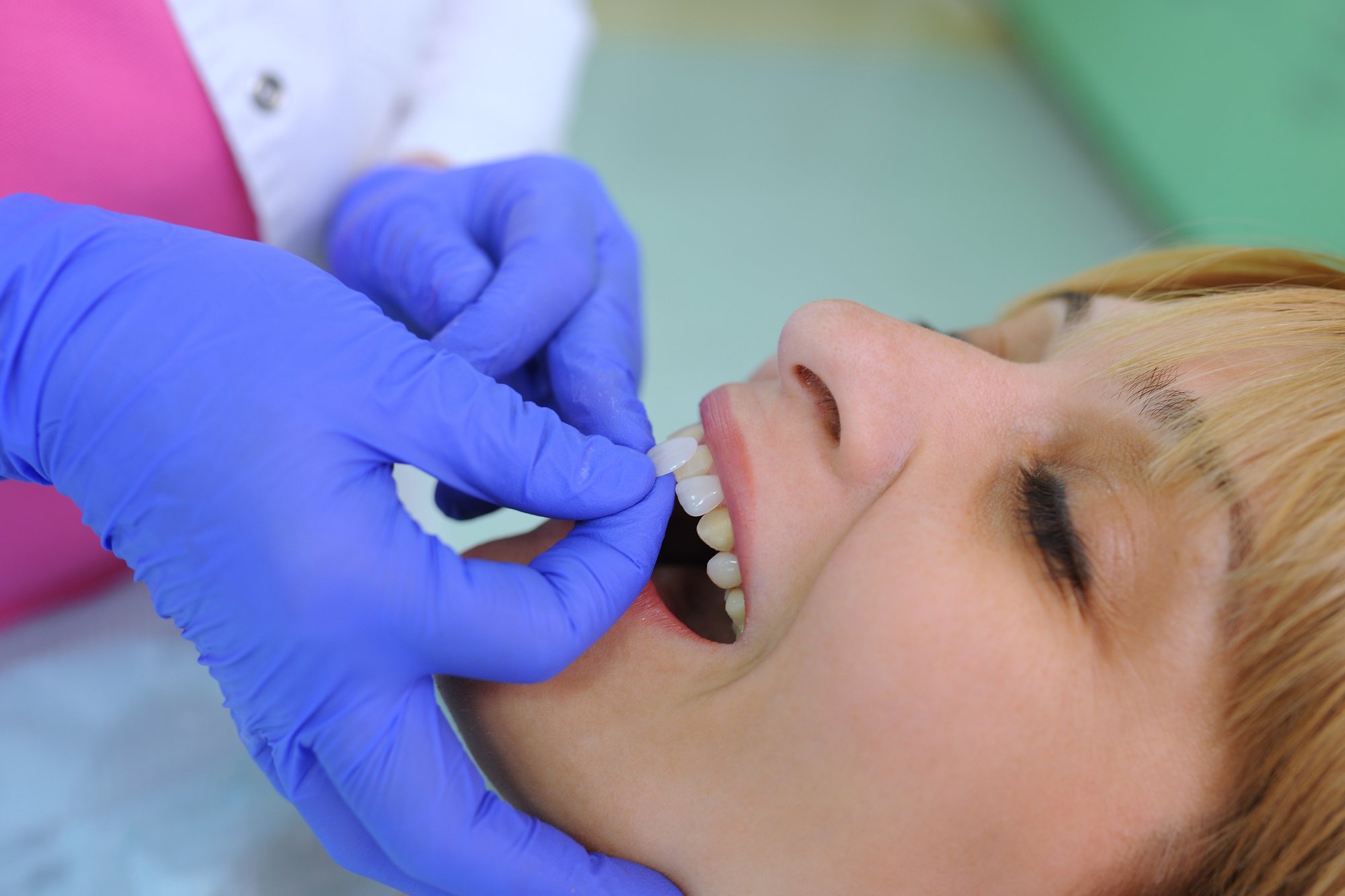
They resurface the visible front of each tooth. According to WebMD, dental veneers are wafer-thin, custom-made shells bonded to the front surface of teeth, changing their color, shape, size, or length. By varying the thickness and contour across a set, a dentist can bring the visible edges into a straight, even line even when the underlying teeth are slightly off. Choosing veneers for crooked teeth is essentially a resurfacing strategy rather than a repositioning one. The teeth behind the veneers remain exactly where they were. That is an important point to sit with, because it means the underlying alignment, and any bite issue attached to it, stays unchanged. For a purely cosmetic concern, that is perfectly acceptable. For a functional one, it is not.
Which Cases Are a Good Fit?
Mild issues respond best. Small gaps, slight crowding, minor rotations, and teeth that are uneven in length or width are well suited to this approach. Chips, worn edges, and stubborn discoloration are often corrected in the same treatment, which is part of the appeal. The best candidates have healthy teeth, healthy gums, and enough enamel to support bonding. A thorough exam determines whether your specific pattern of crookedness falls within what veneers can realistically address. Imaging shows how the teeth sit relative to one another and how much enamel is available to work with. Someone with thin enamel or an unusually protrusive tooth may hear a different recommendation.
When Are Braces the Better Choice?
Some situations genuinely call for moving teeth. Significant crowding, severe rotations, large gaps, and bite problems such as an overbite, underbite, or crossbite need orthodontic correction rather than cosmetic coverage. Trying to mask heavy misalignment with veneers can require aggressive tooth reduction and often produces a bulky result. The veneers vs braces decision therefore hinges on severity and on whether function needs correcting alongside appearance.
Some patients do both, using aligners or braces first and veneers afterward for final refinement. That combined approach often delivers the strongest result, since the teeth end up properly positioned and then get a cosmetic finish. It takes longer, but the outcome tends to hold up better over the years.
How Do the Timelines Compare?
This is the most striking difference. Veneers typically take two to three appointments over several weeks, from consultation and preparation to final placement. Orthodontic treatment moves teeth gradually and usually runs anywhere from several months to two years, depending on the case. For someone with an event on the calendar or limited patience for a long process, that gap matters. The trade-off is that orthodontics addresses the actual position of the teeth, which veneers never do. Clear aligners have also narrowed the convenience gap considerably, since they are discreet and removable, which makes them worth considering before ruling out orthodontics on appearance alone.
What Should You Weigh Before Deciding?
Permanence deserves serious thought. Most veneer preparation removes a thin layer of enamel, which does not grow back, meaning the teeth will always need some form of covering afterward. Veneers also require eventual replacement, generally after a decade or more, and grinding can shorten that lifespan without a mouth guard. Braces and aligners are temporary by comparison, leaving the natural teeth intact once treatment ends. Neither is universally better; the right choice depends on your teeth, timeline, and long-term priorities. Cost structures differ as well, with veneers priced per tooth and orthodontics priced as a full course of treatment.
Frequently Asked Questions
Can veneers straighten badly crooked teeth?
Not really. Veneers handle mild crookedness well, but significant misalignment or bite problems need orthodontic treatment to move the teeth properly.
Are veneers faster than braces?
Yes, considerably. Veneers usually take a few weeks, while orthodontic treatment typically takes several months to two years.
Do veneers damage the teeth underneath?
Preparation removes a thin layer of enamel, which is permanent, but properly placed veneers protect the tooth surface beneath them and do not cause decay on their own.
Choosing the Right Path to a Straighter Smile
Veneers can be a strong option for fixing crooked teeth when the misalignment is mild, and the goal is primarily cosmetic. They deliver a straight, even appearance quickly, though they mask rather than move. For heavier crowding or bite issues, orthodontics remains the appropriate treatment, sometimes followed by veneers for polish. The dividing line comes down to whether the teeth need to look straighter or actually be straighter.
- If you want to learn more about fixing crooked teeth with veneers, visit our Veneers in Torrance, CA, page or schedule a consultation.