

Table of Contents
Putting off a filling lets decay spread deeper, turning a simple repair into a major one.
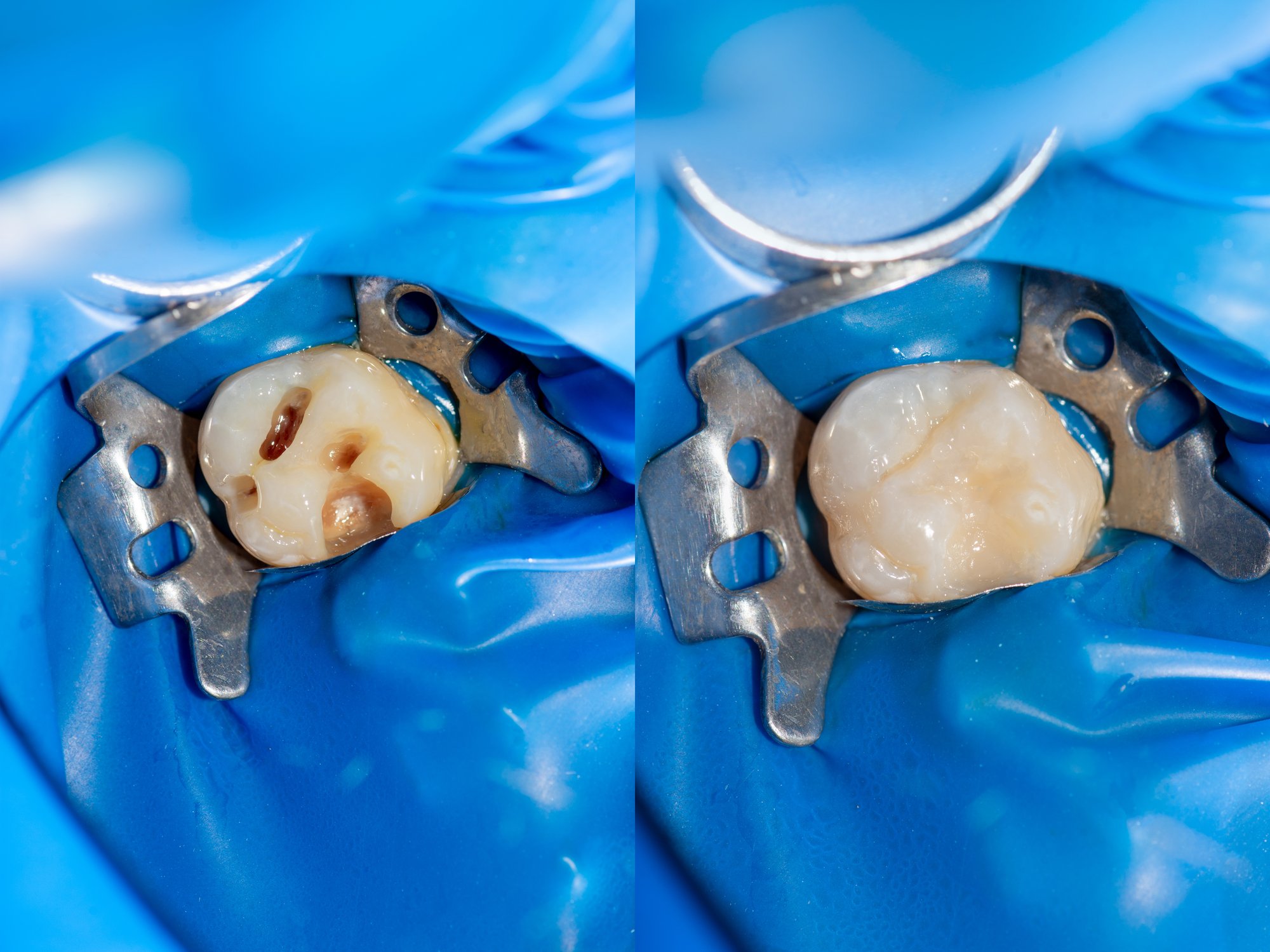
Got a cavity you have been meaning to deal with, but it does not hurt yet? That window does not stay open. Putting off filling a cavity allows decay to spread deeper into the tooth, and dental fillings become only the first of several possible treatments. Dental fillings repair the damage decay leaves behind and seal the tooth against further breakdown. Understanding what happens while you wait makes the case for acting sooner rather than later. Decay is a progressive process, and the tooth does not pause while you decide. Every month of delay narrows the list of treatments still available to you.
Key Takeaways
- Cavities do not heal on their own; decay only progresses without treatment.
- A painless cavity means the decay has not yet reached the nerve, not that it stopped.
- Waiting can turn a simple filling into a crown, a root canal, or an extraction.
- Untreated decay can lead to infection, abscess, and even tooth loss.
- Treating early is faster, more comfortable, and considerably less expensive.
Do Cavities Ever Heal on Their Own?
Only at the very earliest stage. A weak spot in enamel that has not yet broken through can sometimes remineralize with fluoride and improved hygiene. Once the surface is breached and a true cavity forms, that door closes. Bacteria continue feeding on sugars and producing acid inside the hole, steadily enlarging it. No amount of brushing reaches inside a cavity to clean it out. From that point forward, the only question is how much tooth is lost before treatment happens. This is why dentists treat an early lesion differently from an established cavity. Fluoride and better habits genuinely help in the first case and simply slow the damage in the second. The structural loss itself cannot be reversed.
How Fast Does Decay Progress?
Faster than most people assume, though the pace varies, when patients wonder how long a cavity can go untreated, the honest answer depends on the depth, location, diet, and saliva flow. Some cavities take a year to advance meaningfully; others progress in a matter of months. Decay between teeth often moves faster because the area is harder to clean. What makes waiting risky is that the progression is invisible and painless until it reaches the inner layers. By the time you feel it, the situation has usually changed significantly. Sensitivity to sweets or temperature is often the first hint, and steady aching means the decay has reached the pulp. Neither symptom appears early. X-rays catch what the eye and the nerve cannot, which is precisely why cavities are typically found at routine checkups rather than at home.
What Does an Untreated Cavity Lead To?
The escalation follows a predictable path. According to the Cleveland Clinic, when tooth decay goes untreated for too long, you can lose a large portion of your tooth and need an extraction, and advanced decay can lead to a severe infection inside the tooth and under the gums. A cavity that reaches the dentin requires a filling or crown, and one that reaches the pulp typically requires a root canal.
Left longer still, an abscess can form, bringing swelling, severe pain, and a genuine health risk. The treatment ladder climbs quickly once decay passes the enamel. An infection at that stage does not stay confined to the tooth either, since the surrounding bone and soft tissue are involved once an abscess forms. What began as a small repair becomes a health matter, and the tooth’s long-term survival is no longer guaranteed.
Why Does It Cost So Much More Later?
Each step up that ladder is a bigger procedure. A filling is a single, short appointment with minimal preparation. A crown involves more tooth removal, a lab-made restoration, and usually two visits. A root canal adds an entire treatment on top of the restoration that follows it. An extraction leads to replacement options like an implant or bridge, which are the most involved of all. Treating a small cavity early is consistently the least expensive path, and the gap widens the longer the decay goes unaddressed. The time commitment scales the same way, turning a thirty-minute appointment into several longer ones spread across weeks.
What Should You Do If You Have One?
The best time to treat a cavity is while the repair is still small. If the cavity was found at a checkup and has not caused symptoms, that is the ideal moment to treat it, not a reason to postpone. In the meantime, brushing twice daily with fluoride toothpaste, flossing, and cutting back on sugar can slow the progression somewhat. Avoid chewing on that side if the tooth feels tender. None of this replaces the filling, but it can keep things from worsening quickly in the meantime. If the tooth begins aching steadily, or you notice swelling, that signals the decay has reached a deeper stage.
Acting Before It Escalates
Putting off filling a cavity does not preserve the status quo; it simply lets the decay advance while the repair grows larger. What starts as a routine filling can become a crown, a root canal, or a lost tooth, and each step costs more time and money than the last. Dental fillings are among the quickest and most straightforward treatments in dentistry. A cavity that has already been flagged is the least complicated version of the problem it will ever be.
- If you want to learn more about what happens if you put off filling a cavity, visit our Dental Fillings in Torrance, CA, page or schedule a consultation.